Train Travel: A Journey Through Historic Capitals and Alpine Foothills
Some journeys aren’t defined by distance, but by the quiet continuity between places. In Central Europe, rail lines stitch together capitals and countryside with effortless precision. What unfolds is not just movement between destinations, but a fluid experience — where cities, landscapes, and history connect as naturally as the tracks beneath them.
Posts may include affiliate links to products or services. I might earn a commission if you make a purchase.
Travel shaped by rails is compelling. Steel lines cut across borders that once divided empires, linking historic capitals with alpine foothills in a rhythm that feels both deliberate and understated. Unlike air travel, which compresses distance into abstraction, rail allows geography to unfold — gradually, visibly, honestly.
In Central Europe, this continuity is especially striking. Cities seem arranged not as isolated stops, but as part of a larger conversation. Movement is anticipated. Transitions are smooth.

The journey itself becomes a connective tissue — binding urban centers to mountain horizons, and present-day life to layered histories that remain quietly visible.
Here, travel doesn’t demand spectacle. It invites observation. And as the train glides forward, you begin to sense that the true experience lies not only in arrival, but in the seamlessness of everything in between.
Cities that expect to be passed through
In parts of Central Europe, cities don’t behave like destinations. They behave like places that expect movement to pass through them repeatedly.
Berlin feels shaped by this expectation. Streets are wide, stations sit close to daily life, and travel folds into routine rather than standing apart from it.
You sense that people here are used to arriving and leaving without ceremony. History sits visibly in the open, but it doesn’t interrupt the present. It runs alongside it, worn smooth by repetition.
Walking through the city, you don’t feel guided or instructed. You feel carried, lightly, by systems that have been in place long enough to stop drawing attention to themselves.
Distance that never asks to be marked
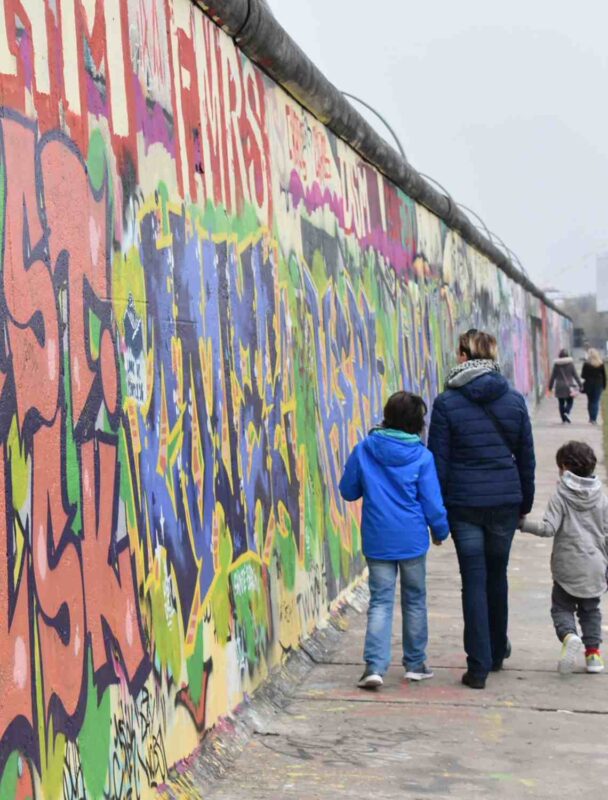
Leaving Berlin doesn’t feel like a departure in the usual sense. The city thins gradually, almost absent-mindedly. Streets loosen into residential edges, then into stretches of land that don’t ask to be identified. On the Berlin to Munich train, this change happens without emphasis.
Villages appear briefly and disappear again. Industrial sections interrupt the view and then give way to open ground. Speed is present, but it doesn’t dominate the experience.
You notice movement mostly because of how little effort it requires. Thought has space to drift. Nothing insists on being noticed, and because of that, more things quietly are.
Movement without intention
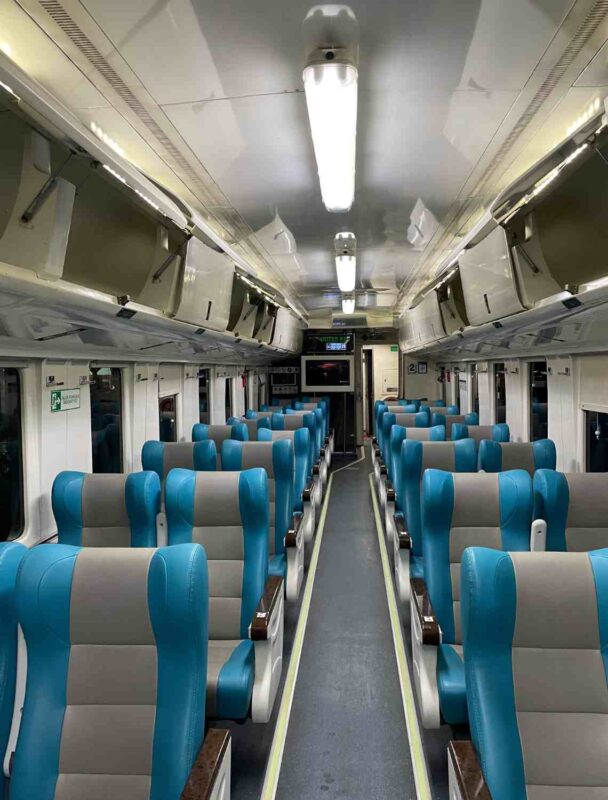
There are moments when you move without deciding to. You follow a corridor, step onto a platform, and sit where there’s space. These actions don’t feel chosen. They feel accepted.
Movement becomes something that happens around you rather than something you direct. The body adjusts before the mind does, and the ease of that adjustment lingers longer than any particular destination.
Routes that remember for you
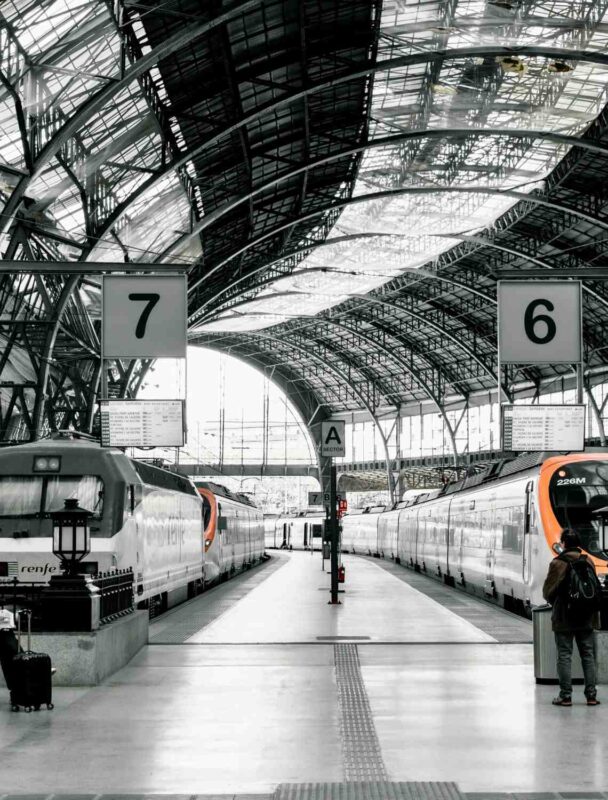
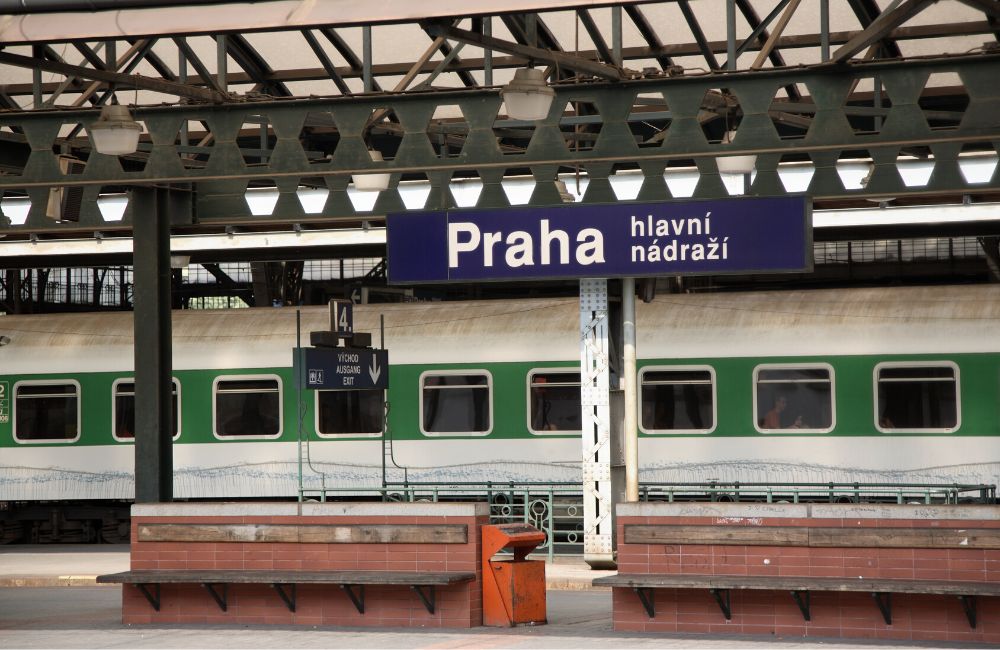
Other directions carry the same unremarkable confidence. The train from Berlin to Prague moves through regions where borders have shifted often enough to lose their drama. Forests gather and thin out. Rivers follow the tracks for a while and then slip away.
The journey doesn’t feel like a line drawn between two points. It feels rehearsed, as though it has been repeated so many times that novelty has worn off.
Arrival doesn’t arrive sharply. Prague begins to assemble itself gradually, density increasing without a clear threshold, streets leaning inward before you realise the city has fully taken shape.
Capitals, hills, and the absence of contrast
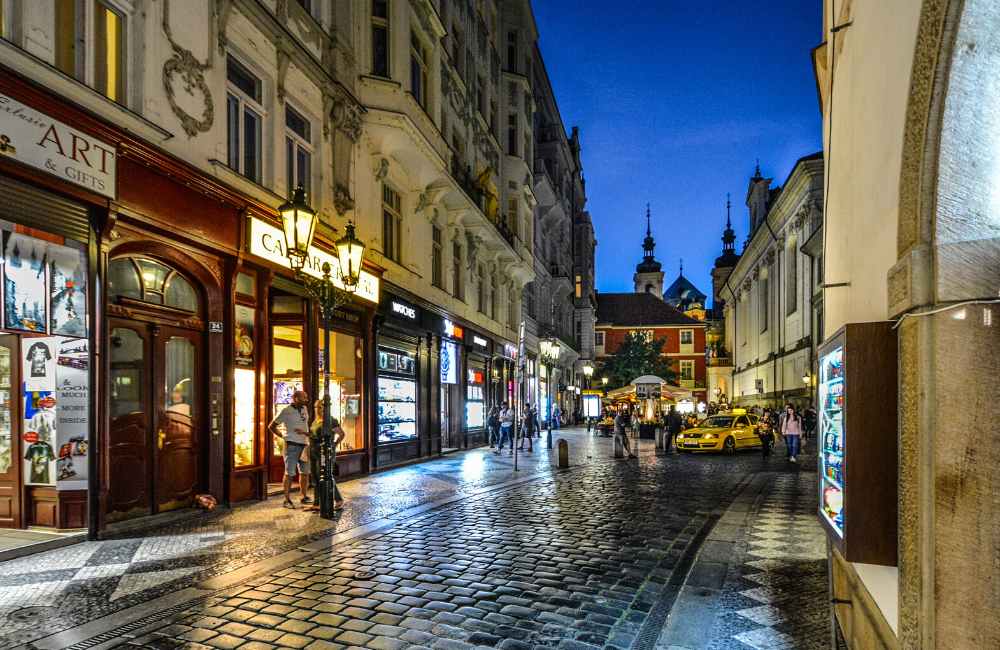
Prague doesn’t compete with Berlin in memory. It overlaps. Ornate buildings stand close to everyday routines. Trams pass at regular intervals. Cafés fill, empty, and fill again without ceremony. As movement continues south, the land begins to lift slightly, then more deliberately.
The Alpine foothills don’t announce themselves. They gather over time. Munich sits comfortably among them, organised without rigidity, historical without heaviness.
Beer gardens fill in the late afternoon. Streets allow movement to spread rather than compress. Nothing signals an endpoint. The city behaves like another pause that doesn’t require attention.
→ You can also read Packing list for a Christmas market trip in Europe + printable guide
What lingers
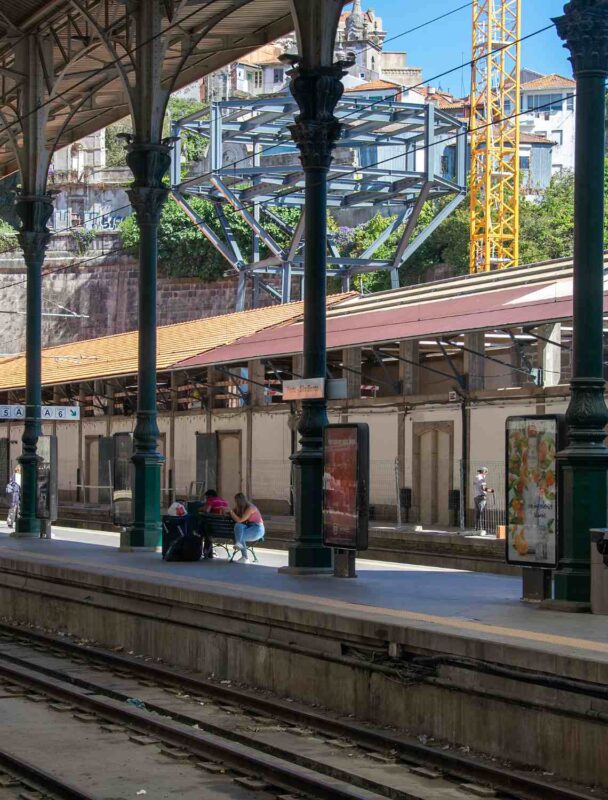
Later, when the journey returns in memory, it doesn’t arrive as a sequence of places. It arrives as habits. The feel of platforms. The steadiness of movement beyond a window. The sense that distance was crossed without needing to be acknowledged.
Capitals, foothills, forests, stations — they overlap rather than separate. Nothing resolves into a conclusion.
The experience remains loose, unfinished, resistant to being ordered. And that looseness is what allows it to stay, long after the movement itself has faded.
Familiarity without recognition
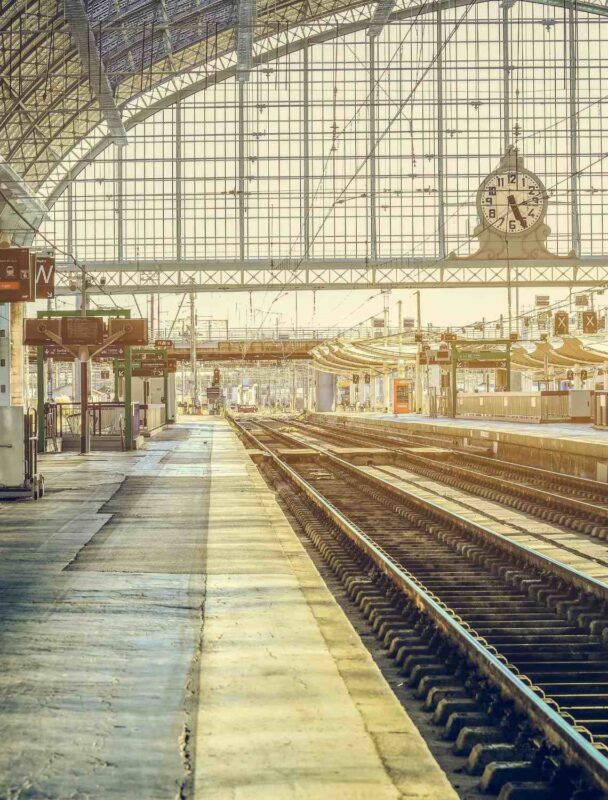
After a while, recognition replaces attention. You stop naming places as you move through them. A platform is just a platform. A carriage is simply where you are for now. The landscape passes without demanding comment.
Familiarity doesn’t sharpen experience here — it softens it. You realise you’re no longer collecting impressions. You’re inhabiting them, loosely, without needing to hold on.
Details that refuse to organization
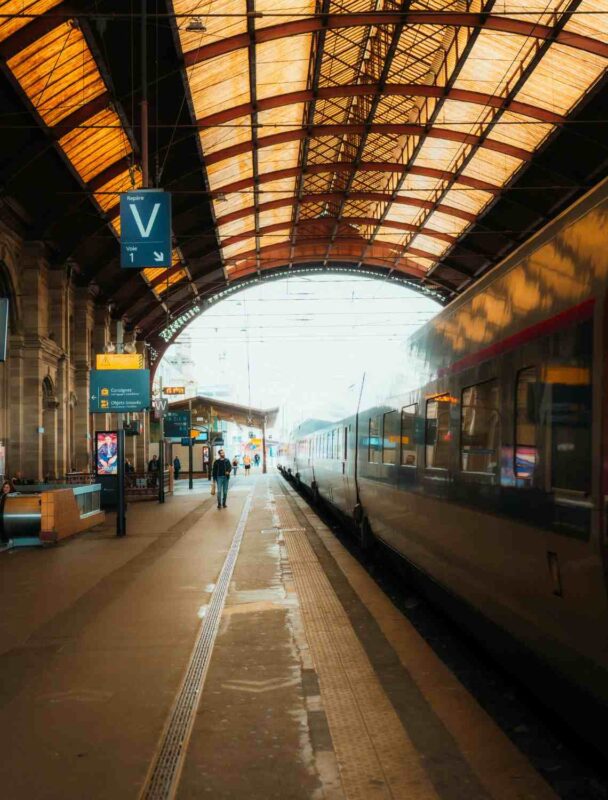
What returns later doesn’t line up properly. A sound from a station echoes without the station attached to it. A stretch of hills appears without a sense of where it belonged in the route.
Even cities lose their outlines. Memory behaves less like a map and more like residue, fragments settling unevenly. Nothing insists on being clarified. The experience remains scattered, and somehow that makes it feel more intact.
An ending that doesn’t announce itself
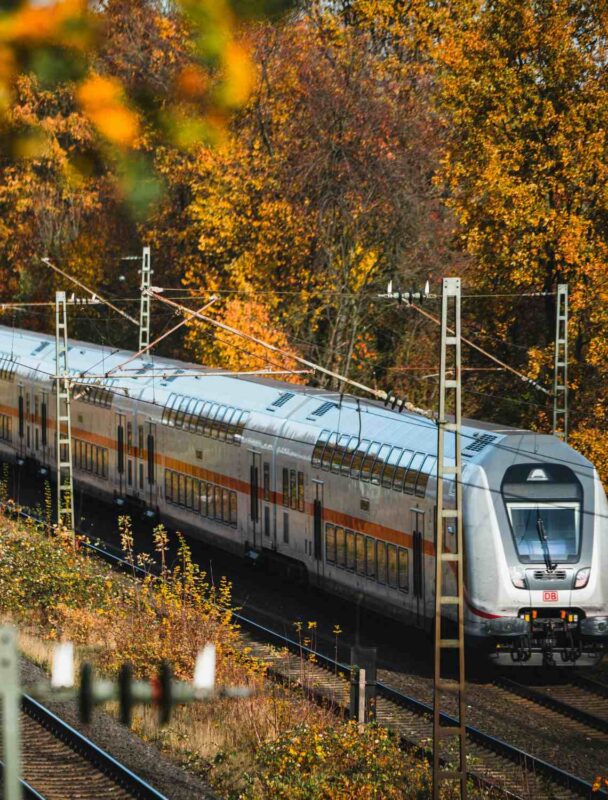
When the journey finally recedes, it does so quietly. There’s no final image that gathers everything together, no clear sense of completion.
What stays is a change in pace, a tolerance for movement without purpose, a familiarity with distance that no longer needs to be measured. The experience doesn’t close. It loosens, remaining available without asking to be returned to in any particular order.
Time that loses edges
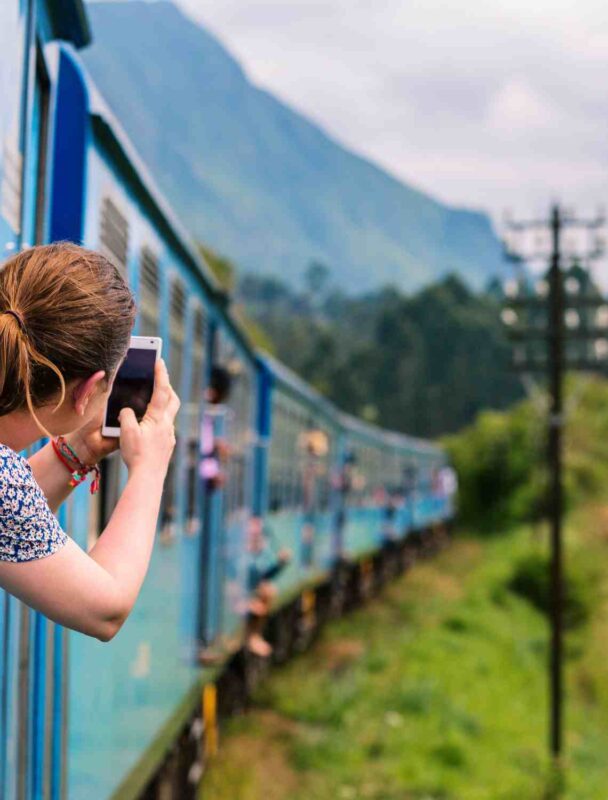
At some point, time stops behaving like a sequence. Mornings and evenings blur together. Journeys feel neither short nor long, just present while they’re happening.
You realize you’re no longer anticipating what comes next or reviewing what has passed. The middle stretches out and becomes the whole thing. Nothing feels delayed. Nothing feels rushed. Time simply moves alongside you, unconcerned with being measured.
What stays after the route fades
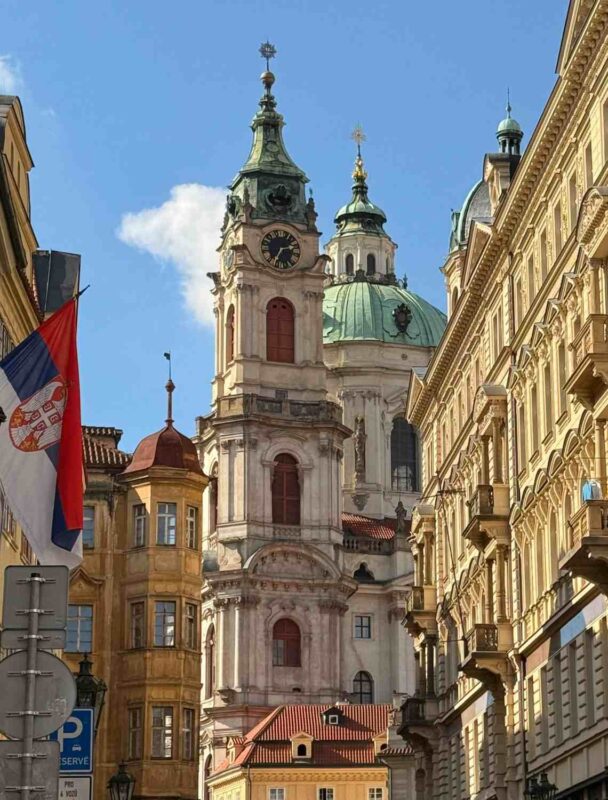
When the route itself finally slips from memory, something else remains. A steadiness. A comfort with not needing to orient yourself constantly.
The sense that distance doesn’t always require attention to be crossed. The experience doesn’t return as a story or a lesson. It returns as a way of moving through other places afterward — slightly slower, slightly less inclined to mark beginnings or endings. And that quiet shift continues, without asking to be named.
The absence of arrival

Eventually, even arrival stops feeling like a moment. You step off, you step through, you find yourself somewhere without recalling the exact transition.
The body adjusts before the mind catches up. Platforms, streets, interiors blur into one another. Nothing announces that you are “there.” You simply are, and that seems to be enough.
Attention that loosens its grip
You notice that you’re no longer looking closely. Not out of boredom, but out of ease. Details no longer ask to be captured or remembered.
They pass through gently — a change in air, a shift in light, a familiar sound you don’t turn toward. Attention relaxes. Experience continues anyway.
What doesn’t need to be revisited
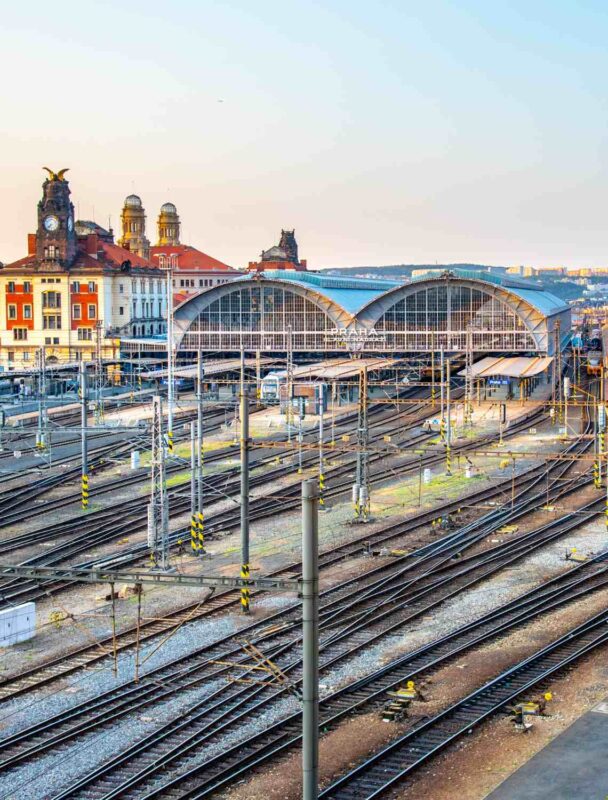
Later, there’s no urge to reconstruct the route or trace it back. The journey doesn’t call for explanation or repetition.
It sits somewhere behind everyday movement, influencing pace without announcing itself. Not something you return to, exactly — just something that quietly altered how moving through the world feels, and then stayed there, unremarked.
Pin for later!
Pick a section and read more:


About me:

I have lived in Chania, Crete, since 2016. As a local, I have an intimate knowledge of the island. I host culinary and concierge tours and experiences in Crete and write about the island for several travel media. I have helped many travelers plan the perfect holiday in Crete. I co-authored DK Eyewitness Top 10 Crete and had more glasses of frappe than any regular person could ever handle.