
When to Put Up the Christmas Tree: Traditions from Around the World
In this guide, we’ll explore tree-decorating traditions from around the world, the cultural meanings behind them, and practical tips to help you decide when to put up—and take down—your Christmas tree.
Posts may include affiliate links to products or services. I might earn a commission if you make a purchase.
Setting up a Christmas tree isn’t just a practical task—it’s a cherished ritual, a visual symbol of the season, and for many families, a beloved annual tradition.
The timing of putting up the tree can vary widely depending on where you are in the world, local customs, and even personal family routines.

Some start as soon as the first signs of winter appear, while others wait until Christmas Eve to create a sense of anticipation.
United States & Canada: Early December celebrations
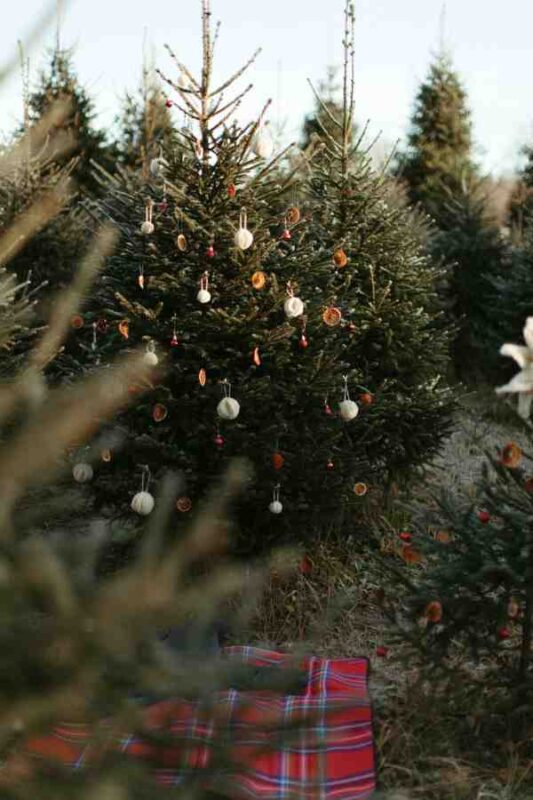
In the U.S. and Canada, many families embrace an early start to the festive season. Traditionally, the Christmas tree is set up the day after Thanksgiving, marking the unofficial beginning of the holiday period.
For some, this timing allows for weeks of festive cheer, with homes adorned with lights, ornaments, and sometimes garlands of popcorn or cranberries.

The American approach to tree decorating often emphasizes family involvement and fun. Children may hang ornaments passed down through generations, or participate in DIY projects like handmade paper chains.
It’s also common to light the tree as a centerpiece of the home, creating a warm, cozy atmosphere long before the holiday itself.
United Kingdom: Advent and tradition
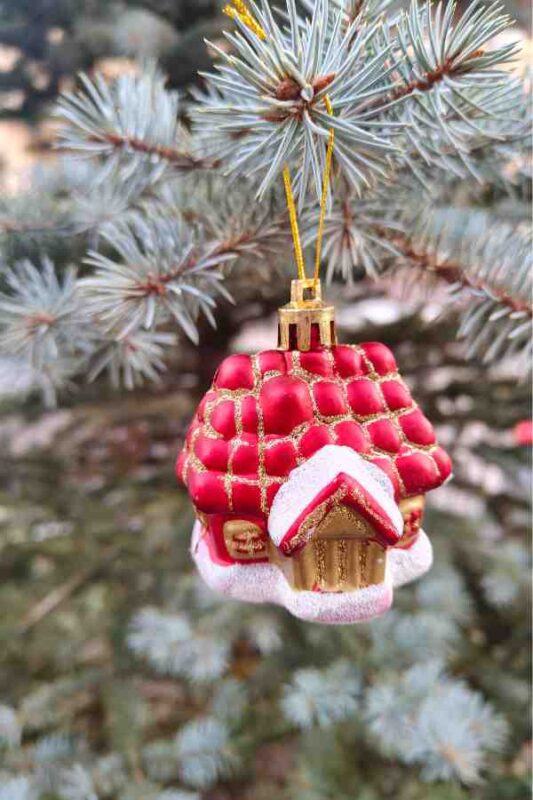
In the U.K., traditions are slightly different. Many British families wait until December 1st, the beginning of Advent, to decorate their tree. For some households, the tree doesn’t go up until Christmas Eve, in line with older customs emphasizing the tree as a symbol that comes to life on the night before Christmas.
British decorations often lean toward classic and timeless styles: tinsel, lights, and carefully chosen ornaments, sometimes reflecting family memories or heirlooms.
While artificial trees are common, many families still prefer fresh fir trees, enjoying their fragrant scent as part of the holiday experience.
Greece & the Mediterranean: From trees to boats
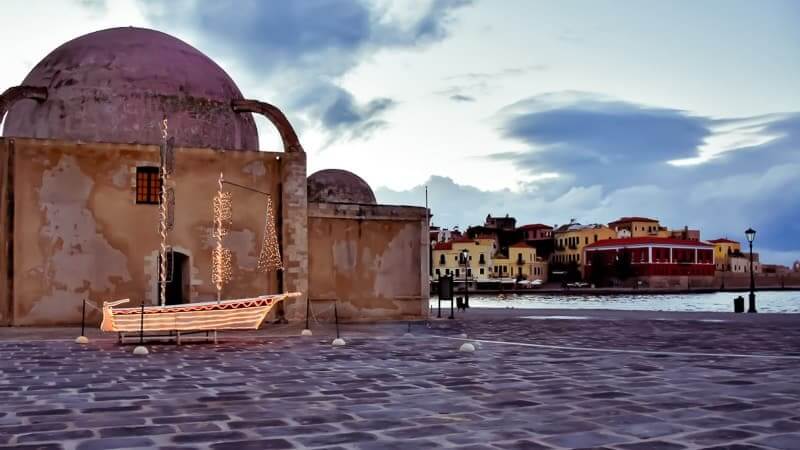
In Greece, Christmas tree traditions are influenced by both Western European customs and local Mediterranean culture. Families often decorate their trees around December 6th, St. Nicholas Day, though some wait until closer to Christmas.
Interestingly, in coastal areas, it’s also common to decorate small boats instead of, or alongside, Christmas trees. This maritime tradition reflects the importance of the sea in daily life and combines holiday spirit with local culture.
Boats are known as karavaki and may be adorned with lights, ribbons, and tiny ornaments, creating a cozy, whimsical atmosphere in Greek homes.
Germany & Austria: A late but magical tradition
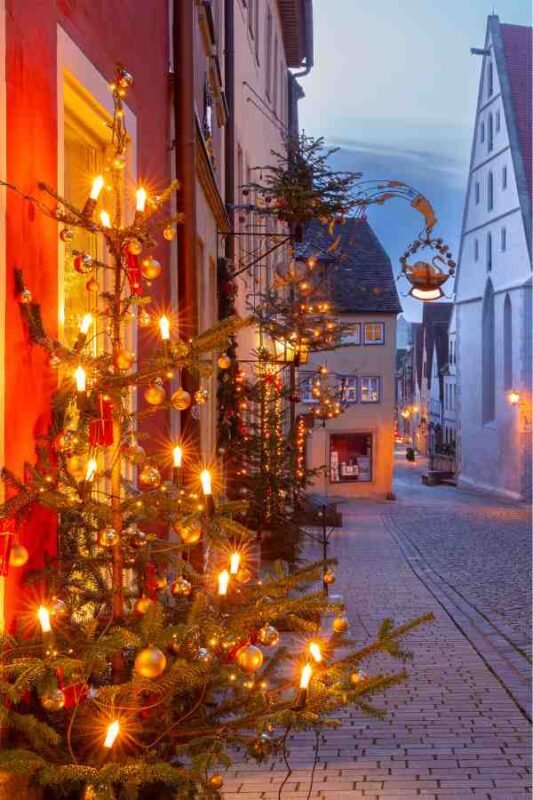
In Germany and Austria, the Christmas tree (or Weihnachtsbaum) has deep historical roots, with the practice dating back to the 16th century. Traditionally, the tree is brought inside and decorated on December 24th, just hours before Christmas Eve.
This timing keeps the tree fresh and adds a sense of anticipation and magic to the holiday. German trees are often decorated with handmade ornaments, straw stars, wooden figures, and candles (today usually electric for safety).

Families often gather around the tree for the first time on Christmas Eve, exchange gifts, and enjoy festive meals together.
Nordic Countries: Candles and St. Lucia

In Sweden, Norway, Denmark, and Finland, the Christmas tree is typically decorated a few days before Christmas, often coinciding with St. Lucia Day on December 13th.
This festival of lights emphasizes warmth and hope in the darkest part of the year, and the Christmas tree is a central part of this celebration.
Nordic decorations are often minimalist and natural, featuring straw stars, wooden ornaments, and simple lights. Many families also use candles (or candle-shaped electric lights) to create a warm, inviting glow.
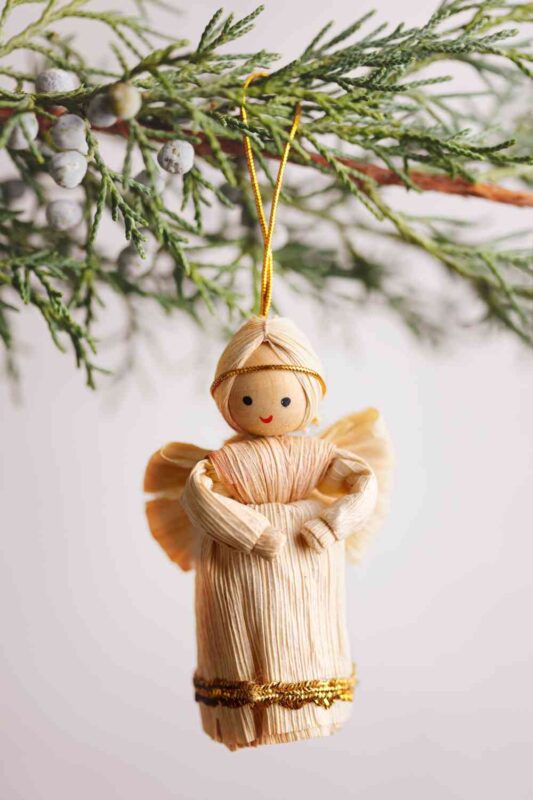
The tree is a focal point for family gatherings, singing, and enjoying seasonal treats like saffron buns in Sweden or gingerbread cookies in Denmark.
Latin America: Vibrant and early celebrations

In Argentina and many Latin American countries, Christmas tree traditions are lively and often begin in early December, sometimes around December 8th, the Feast of the Immaculate Conception. Trees are frequently decorated with vibrant lights, ribbons, and ornaments that reflect family memories and local culture.
Celebrations all over the continent often include music, dancing, and outdoor gatherings, with the tree serving as a central symbol of festive cheer.
In some households, nativity scenes (or pesebres) are as important as the tree, blending European and Latin American customs.
Eastern Europe: Orthodox traditions

In Eastern Orthodox countries such as Russia, Ukraine, and Serbia, Christmas is celebrated later, on January 7th, according to the Julian calendar. Trees may be set up closer to this date, or in some cases, in alignment with New Year celebrations on December 31st.
Decorations often emphasize handmade crafts, ribbons, and fruits, and may include figurines reflecting local folklore. The tree becomes a symbol of continuity, family, and faith, often complemented by traditional holiday meals and religious observances.
Practical tips for setting up your Christmas tree

While traditions vary widely, here are some practical tips to help you decide when and how to decorate your tree:
Fresh vs. artificial trees
- Fresh trees bring fragrance and a natural aesthetic but need water and care.
- Artificial trees are convenient, reusable, and can be set up well in advance.
Timing
- Early December: Enjoy a long festive season and gradually decorate with the family.
- Mid-December: Aligns with most Advent and local traditions.
- Christmas Eve: Adds a sense of magic, freshness, and ceremonial charm.
Decoration style
- Minimalist: Focus on natural elements like pinecones, dried fruit, or simple ornaments.
- Classic: Traditional lights, tinsel, and heirloom ornaments.
- Personalized: DIY ornaments, handmade garlands, and family keepsakes.
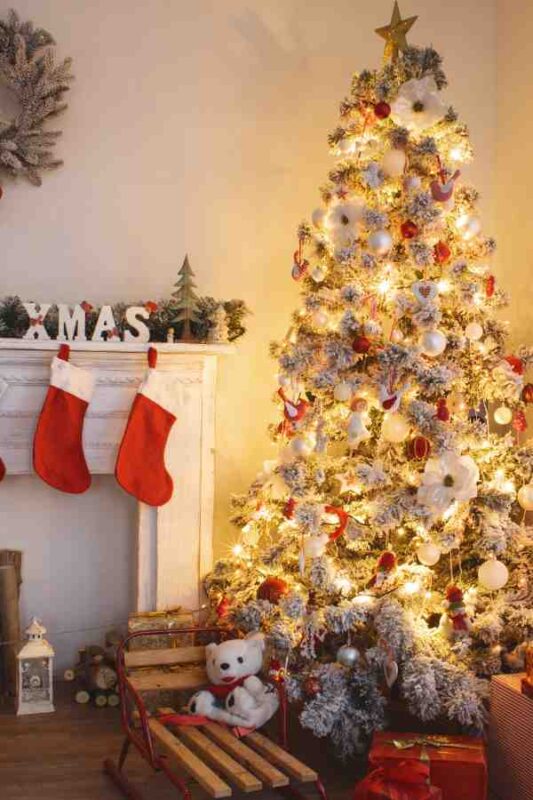
Family involvement
Decorating the tree can be a cherished family ritual. Involve children, your partner, or friends, turning it into an event that creates memories and strengthens bonds.
Safety & practicality
Always consider safety: use LED lights for real trees, keep decorations away from heat sources, and ensure the tree is stable.
When to take the tree down
Remember that Friends episode—if I’m not mistaken, it was March—and Monica and Rachel still had their Christmas lights on the balcony? That’s basically the cautionary tale of letting your tree overstay its welcome.

Traditionally, many cultures take down the Christmas tree on January 6th, the Feast of the Epiphany, marking the end of the Twelve Days of Christmas. In Spain and Italy, this is also when children receive gifts from the “Three Wise Men,” which makes for a natural, festive conclusion.
Of course, not everyone follows the “right” timeline:
However, customs vary:
- In the U.K., some families leave trees up until Twelfth Night (January 5th), while others wait until mid-January to align with local festivities.
- In Germany and Nordic countries, trees are sometimes left standing until January 6th or 13th, depending on when the household celebrates Epiphany or Little Christmas (also called Dreikönigstag in Germany).
- In the U.S., many families remove trees by New Year’s Day, especially if using fresh trees that may dry out quickly.
Whatever date you choose, taking down the tree can also be a small ritual—removing ornaments carefully to store for next year or gathering the family for one last festive moment around the lights before the season officially ends.
Why timing matters

Choosing when to set up or take down your tree isn’t just about aesthetics—it’s about creating experiences and traditions.
An early tree allows for longer enjoyment, while a late setup or removal emphasizes freshness and ceremony. Either way, your tree becomes a symbol of home, family, and the spirit of the holidays, connecting generations and cultures through a simple, shared ritual.
From the U.S. to Greece, Germany, or Russia, the Christmas tree is celebrated in countless ways.
Each culture brings its own flair, history, and meaning, yet all share a common thread: the tree is more than decoration—it is a symbol of light, joy, and togetherness.
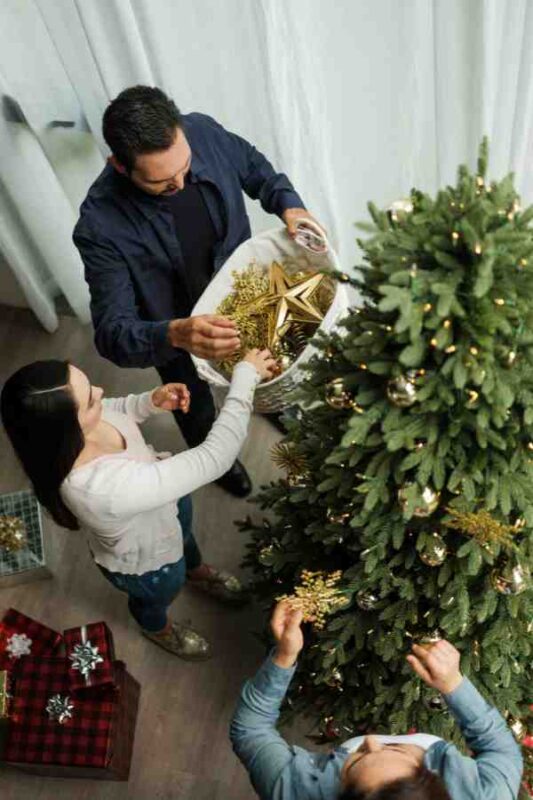
Set it up at the start of December, a week before Christmas, or on Christmas Eve—and take it down on Epiphany, Twelfth Night, or New Year’s— it doesn’t matter. Your tree will always bring light, love, and festive spirit into your home.
Take inspiration from around the world, mix traditions with your personal touch, and enjoy the magic of a beautifully decorated Christmas tree.
Pin for later!

Pick a section and read on:


About me:

I have lived in Chania, Crete, since 2016. As a local, I have an intimate knowledge of the island. I host culinary and concierge tours and experiences in Crete and write about the island for several travel media. I have helped many travelers plan the perfect holiday in Crete. I co-authored DK Eyewitness Top 10 Crete and had more glasses of frappe than any regular person could ever handle.