
Living on an Island — What It Actually Means (Not the Postcards)
Honest reflections on everyday life in Crete: the magic, the challenges, the rhythms, and the quiet truths of belonging.
Posts may include affiliate links to products or services. I might earn a commission if you make a purchase.
Living on an island sounds dreamy. Say the words “I live in Crete” and most people picture postcard scenes: turquoise beaches, fresh tomatoes still warm from the sun, little tavernas shaded by bougainvillea, and summers stretched into golden eternity.
And, of course, there is some truth in that. Crete is beautiful. It’s warm, vibrant, layered with history and character.
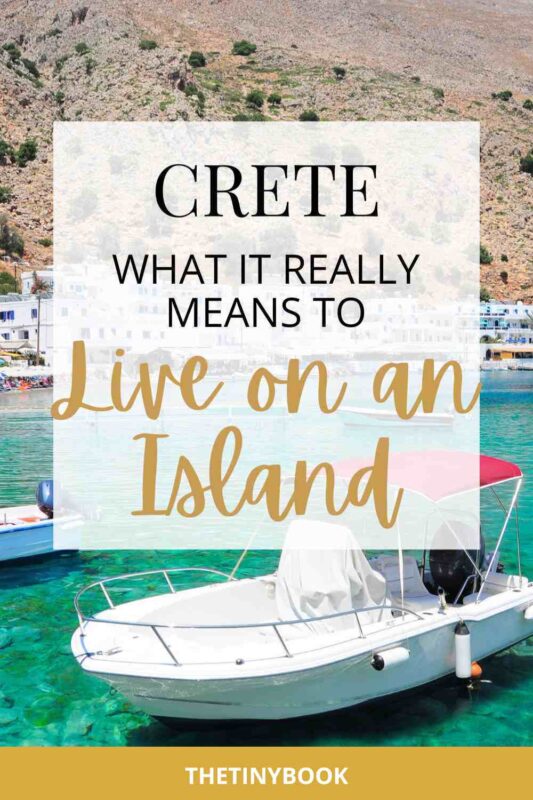
But the full story of a place rarely fits inside pictures. Photos freeze the sun, not the wind. They capture the beach, not the winter. They show the postcard, not the logistics, the limitations, the long waits, the invisible community threads, nor the tiny but meaningful rituals that make everyday life here what it really is.
Island life has a rhythm. It embraces you gently, then shocks you abruptly. It slows you down and speeds up your heart. It teaches you joy and patience in equal measure.
And after years of living in Crete, I’ve learned that the truth sits somewhere between the postcard and the unglamorous reality — in that middle ground where life actually happens.
The wind, the weather, and the winter nobody talks about
People imagine Greece as an eternal summer, and tourists who come in July often leave believing exactly that. But those of us who stay year-round know another version of Crete: the island of howling winter winds, unpredictable storms, and stretches of weather so cold and wet that the houses — often built for heat, not for cold — become unexpectedly uncomfortable.
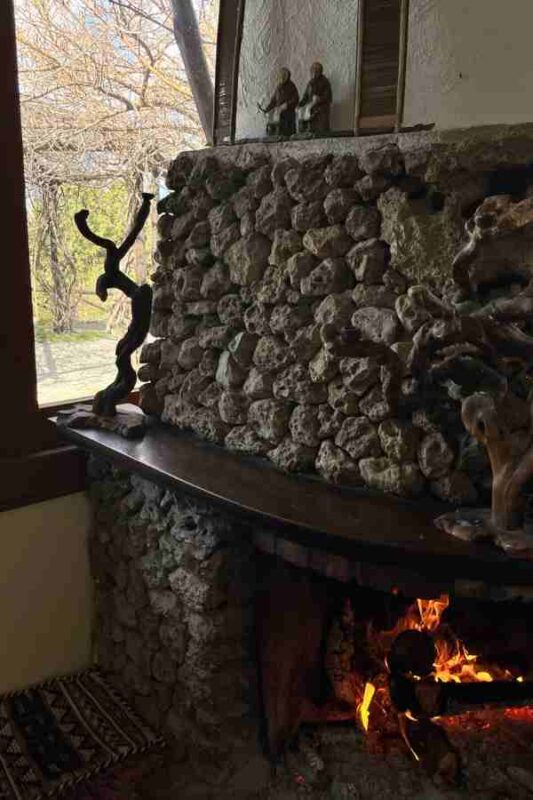
There are days when the winds blow so fiercely that the ferries stop. The sea becomes too rough, connections are canceled, and the island feels like a sealed world.
You quickly learn that being “cut off” is not just a metaphor; it’s a physical reality. Plans collapse, supplies get delayed, and the island becomes quieter, slower, occasionally a bit isolating.
Heating is another story. Many homes — especially older ones — were designed for air circulation, for keeping cool in scorching summers.
They are not built with harsh winters in mind. And while Crete doesn’t get harsh winters in the northern sense, when a damp, bone-biting cold seeps into your home and stays for days, you feel it.

Heating can be patchy, expensive, or simply inadequate. You find yourself layering socks, lighting candles, boiling water for tea, more often than you’d expect. Winter in Crete is not dramatic — but it is surprisingly present.
The good news: winter also brings a peace and slowness that feel almost medicinal. But I’ll come back to that.
The realities of shopping and daily errands
One thing people don’t think about: island availability. On the mainland, you can go out and get what you need — clothes, tools, electronics, variety, options. On an island, even a large one like Crete, you learn to navigate… limitations.
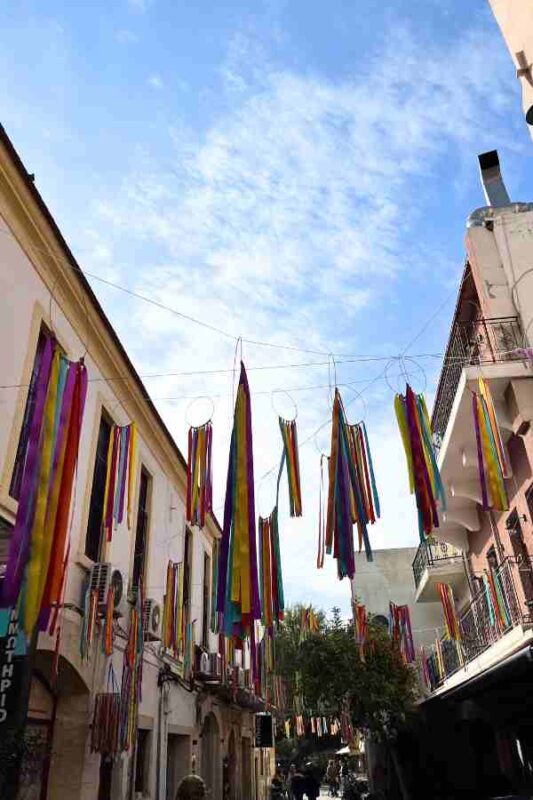
Not every shop exists here. Not even close. And while I adore the charm of old towns, with their family-run stores and traditional textures, sometimes you really just want — or need — a proper commercial center. A place where everything exists under one roof, where you can get something immediately instead of planning, waiting, or adjusting your expectations. That doesn’t really happen here.
Most of the time, you turn to online shopping. And then you wait. And wait. And wait a little more.
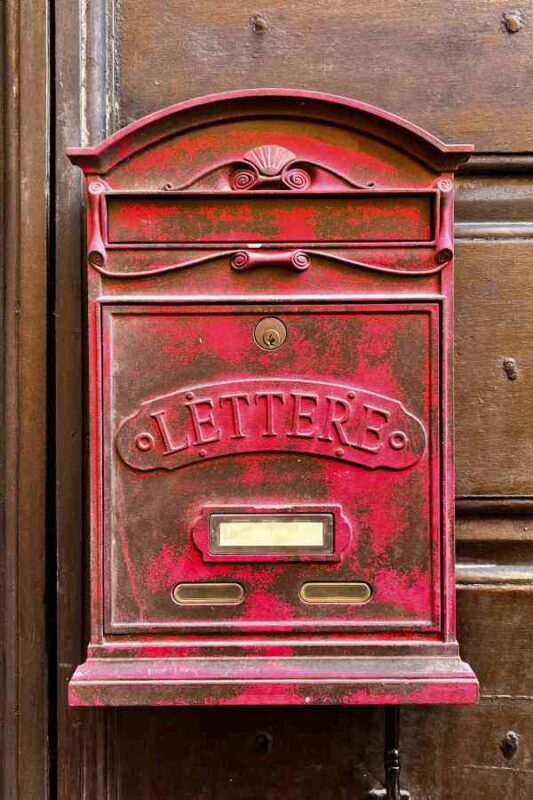
Packages don’t arrive in a straight line. They all pass through Athens first. Everything — even an item shipped from anywhere in Greece — goes to Athens, sits there, gets sorted, gets re-sorted, and then eventually comes down to the island. It’s a loop of logistics that makes sense only on paper.
A package that would take two days anywhere else can take two or three weeks here. And if the winter winds decide to stop ferries? Add more time. If Christmas is coming? Double the wait. If there’s a strike? Well… you get the idea.
You learn to plan ahead. You learn to improvise. You learn to let go of the expectation that things will come on time.
Getting off the island: A journey of its own
Traveling from Crete looks easy on the map. There are airports, there are ferries, there are options. But “options” is tricky. To go anywhere outside Greece — and often even to many places inside Greece — you pass through Athens. Almost always, and even more out of the season.

Want to go to Italy? Athens first.
Want to go to France? Athens first.
Want to go to Thessaloniki? Sometimes, even that means Athens first.
You begin to think of Athens as a mandatory layover in life. Because it is.
Flights from the island can be expensive, connections unreliable in winter, and ferries time-consuming. Trips require planning with a different level of awareness: weather, seasons, ferry schedules, extra tickets (and extra money), daylight, and even port traffic patterns in summer. Going somewhere becomes a whole chapter, not just a sentence.

Yet traveling from the island — especially after winter — feels extra precious. You board the plane or ferry with a sense of intention: you’re leaving your bubble, entering the wider world for a moment, and knowing you’ll come back to a slower rhythm.
The summer crowds and the island that doubles in size
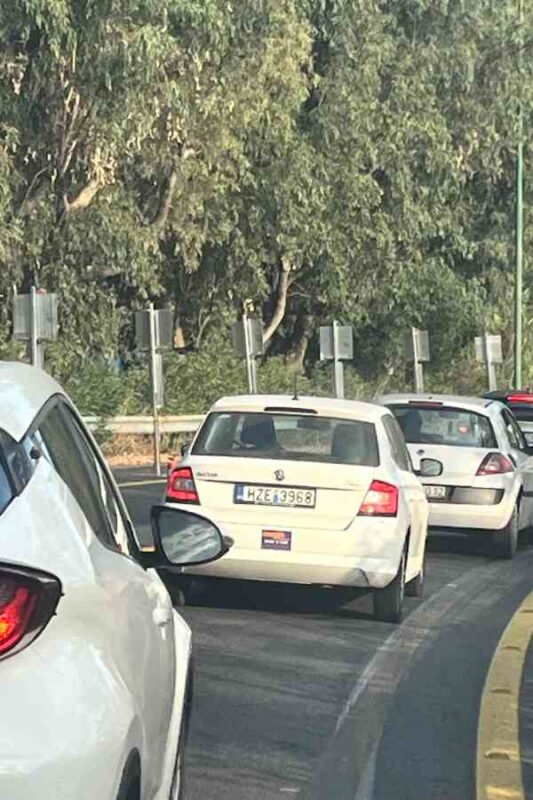
In summer, Crete transforms. It blooms, yes — but it also bursts.
Crowds flood in, traffic builds, streets that felt quiet in February suddenly feel too narrow for July.
Driving takes patience. Parking takes luck or divine intervention. Beaches you adored in May become packed little universes filled with umbrellas, music, colorful towels, and chatter in a dozen languages.
Life becomes louder, faster, hotter.
There are days when you love the energy, the pulse, the summertime joy. And there are days when you long for the winter version of Crete — the quiet harbors, the empty roads, the feeling that the whole island is breathing slowly.
Summer is beautiful, but it is also busy. And when you live here, you learn to navigate it differently than visitors do.
But then there’s winter: The slowest, most beautiful rhythm
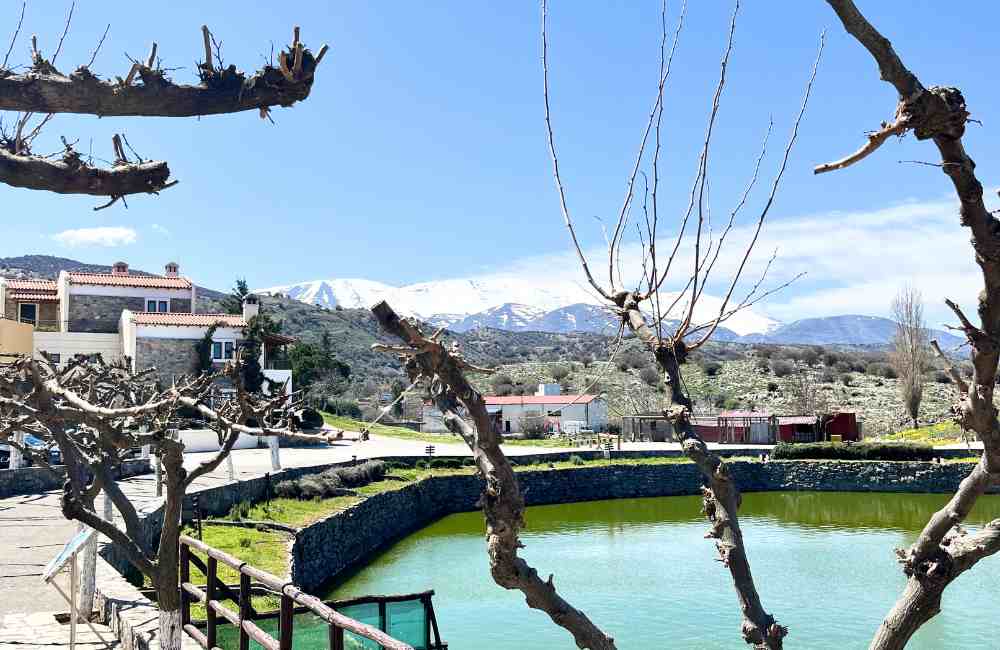
For all its challenges, winter on an island has a rare kind of magic. And this statement comes from someone who literally used to hate winter… not on Crete, though.
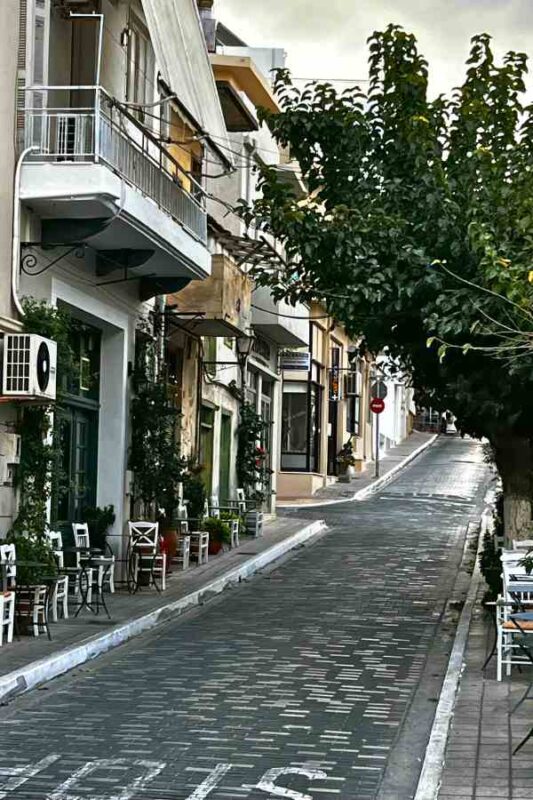
The cafés empty out. The old towns exhale. Locals reclaim the waterfronts. You can walk through narrow alleys and hear your footsteps. You can sit at a café and know half the people passing by. You feel the season deeply, not because the landscape changes dramatically, but because the rhythm does.
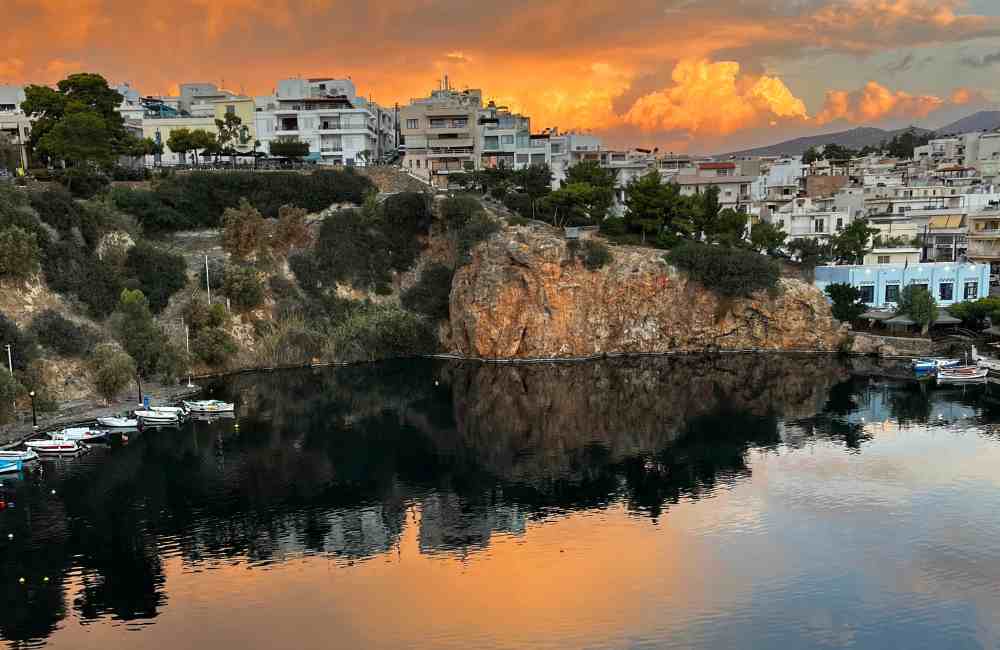
Winter here teaches softness. It teaches patience. It teaches the quiet joy of routines: morning coffee with familiar faces, late-afternoon walks by a wind-shaped sea, slow cooking, slow reading, slow everything.
You get to see those friends who work in tourism and are often too busy with tours, reservations, and other seasonal tasks in the summer.
It’s the season when friendships grow deeper.
Greek lessons and the unexpected friendships of expat life
If you’ve ever taken Greek lessons on an island, you know what I mean: the classroom becomes a tiny community of foreigners trying to navigate a beautiful but complex language, all of us on the same boat — literally and metaphorically.
We share the same joys:
- understanding a new word
- finally grasping a verb
- managing a full conversation with the butcher
- making a local laugh with a phrase we weren’t sure about
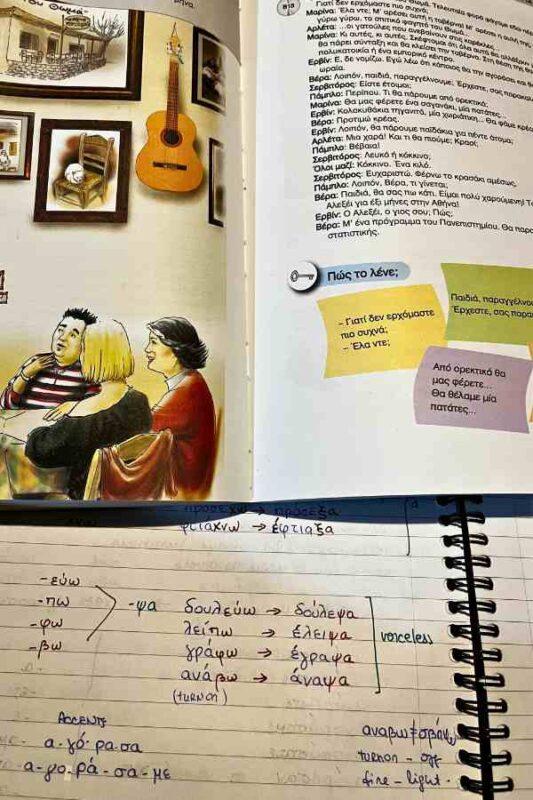
And we share the same mishaps:
- ordering the wrong thing
- confusing cases
- speaking Greek with unexpected Spanish/Italian/English accents
- forgetting every single word when someone speaks too fast
Those classes aren’t just lessons; they’re lifelines. We bond over our challenges, celebrate little victories, and build friendships that might never exist in a bigger, faster, more anonymous place.
Belonging: The quiet gift of island life
Living on an island has challenges — many of them the kind you never see on Instagram. But belonging here doesn’t come from convenience. It comes from rhythm.
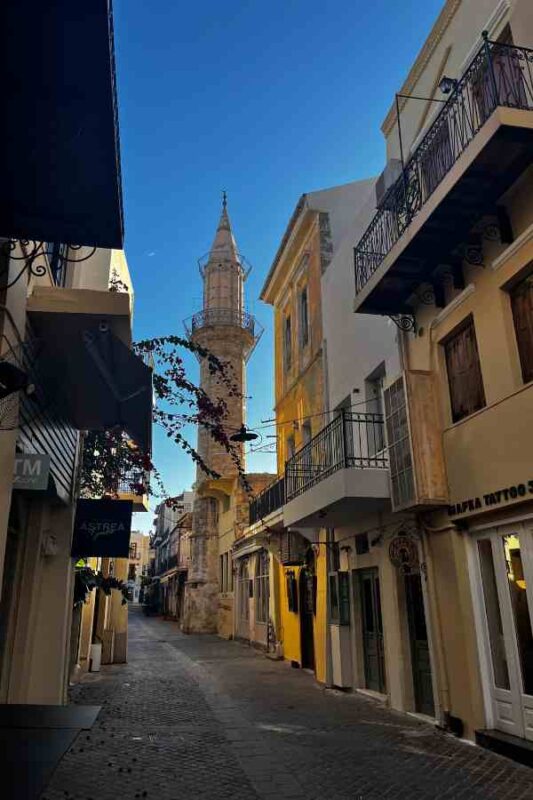
It comes from the bakery where they know your name and from neighbors who bring you oranges from their garden.
It comes from the sea changing color with the season, and you noticing.
It comes from the wind, the storms, the first warm day of spring when cafés reopen their terraces. But also from the shared understanding — among locals and foreigners — that life here is a bit different, a bit slower, a bit more intentional.
It comes from feeling the island hold you, not perfectly, but deeply.
The truth: Island life is a life, not a postcard
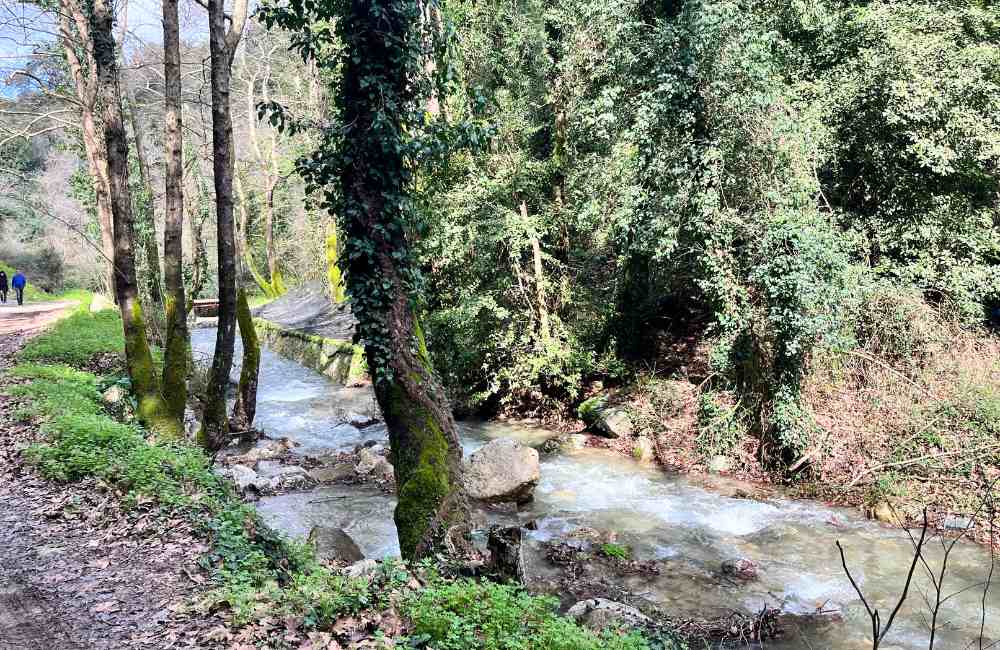
So what does living in Crete actually mean?
It means learning to slow down even when you don’t want to.
It means accepting delays, limitations, and weather-imposed stillness.
Living in Crete comes with summers that feel alive and winters that feel like a retreat. And it means adapting, adjusting, and improvising.
It’s building community with people who are also learning how to belong.
Finding beauty in routines, not just in beaches.
And becoming part of a place that reveals itself slowly, generously, honestly.
It’s not the postcard version.
It’s better — because it’s real.
And once you learn this rhythm, once you feel the island settle into your daily life, you start to understand something simple but profound:
You don’t just live on an island.
The island begins to live in you.
Pin for later:
Pick a section and read more:


About me:

I have lived in Chania, Crete, since 2016. As a local, I have an intimate knowledge of the island. I host culinary and concierge tours and experiences in Crete and write about the island for several travel media. I have helped many travelers plan the perfect holiday in Crete. I co-authored DK Eyewitness Top 10 Crete and had more glasses of frappe than any regular person could ever handle.


