
When You Should Really Take Down the Christmas Tree
Every year, right after Christmas, the same quiet question appears in our homes:
Is it time already?
Is it bad luck to take the Christmas tree down too early?
Posts may include affiliate links to products or services. I might earn a commission if you make a purchase.
The Christmas tree is never just a decoration. It’s a witness. It has seen early mornings in slippers, wrapping paper piled in corners, children counting ornaments, quiet evenings when the house finally slowed down. Its lights soften winter, making the darkest days feel held and familiar.
So when Christmas passes, taking the tree down can feel strangely emotional. Part relief, part reluctance.
We tell ourselves it’s practical — the needles are falling, life is restarting — but often, it’s also about letting go of a mood, a rhythm, a season that asked us to slow down.
And every year, the same question returns: When should you really take down the Christmas tree? Is there a right moment? A wrong one? Or are we simply navigating the space between tradition and modern life?
What tradition says
January 6th: Epiphany
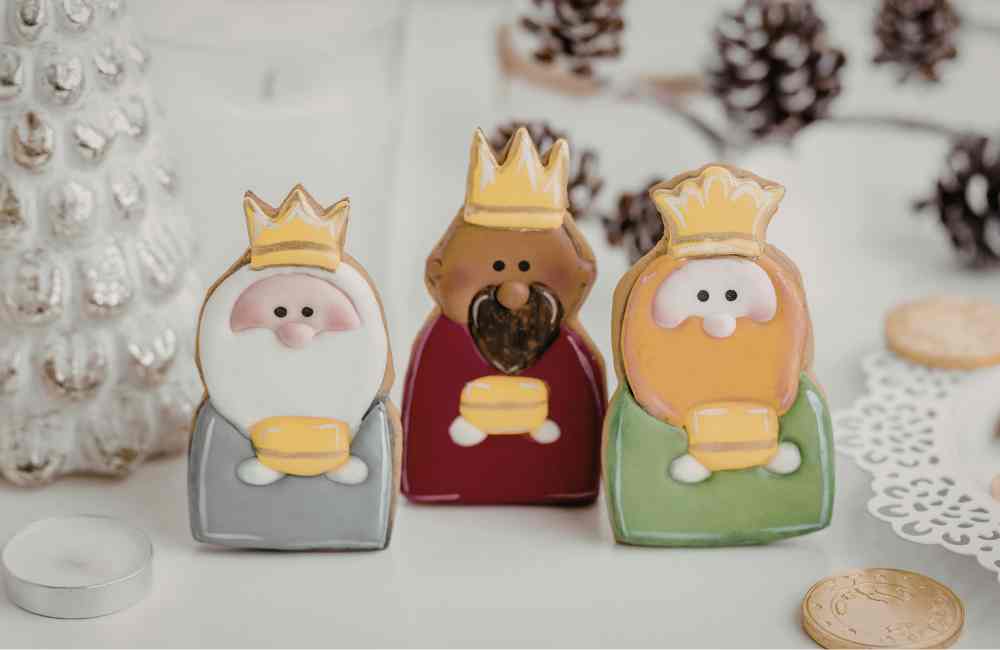
In many European and Mediterranean cultures, Christmas doesn’t truly end on December 25th.
Decorations traditionally stay up until January 6th, the Feast of the Epiphany, marking the arrival of the Magi (or the Three Wise Men, who visited the baby Jesus with gifts of gold, frankincense, and myrrh). This day signals the official end of the Christmas season in many cultures.
This rhythm allows Christmas to unfold slowly. The days between December 25th and January 6th are not an afterthought, but part of the celebration itself — quieter, softer, and more reflective.
For those raised with this tradition, taking the tree down early can feel abrupt, almost disrespectful to the season’s natural ending.
February 2nd: Candlemas

Less widely practiced today, Candlemas (February 2nd) was once considered the official close of the Christmas season, and it’s still a national holiday in some European countries. In older households, decorations stayed until the light truly began to return.
This wasn’t about clinging to Christmas, but about honoring winter — accepting that darkness still had a place, and warmth was worth keeping a little longer.
Candlemas
Celebrated on February 2nd, it marks the presentation of Jesus at the Temple and historically signals the end of the Christmas season. In many European countries, it’s also associated with a delicious tradition: pancakes. For centuries, families would make pancakes on Candlemas, using up rich ingredients like eggs, milk, and butter that were abundant during the holidays. The round, golden pancakes symbolized the sun returning after winter darkness, bringing warmth, light, and a tasty celebration to the home.
What modern life says

Life restarts quickly
In modern life, Christmas is often followed by an immediate return to schedules, emails, school runs, and responsibilities. The tree, once comforting, can suddenly feel out of sync with daily reality.
Our homes have changed
Smaller homes and shared spaces make extended decorating harder to sustain. What once felt festive can start to feel like visual noise when routine resumes.
The invisible pressure to “move on”
Social media quietly pushes us forward. By December 27th, many homes online are already neutral, minimal, and ready for the “new year reset.”
Without realizing it, we absorb the message that Christmas should be packed away quickly.
Is it bad luck to take the Christmas tree down early?
This question (just like the When to put up the Christmas tree? question) resurfaces every single year — and understandably so.
Traditionally, superstition warned against leaving decorations up too long, not taking them down early. But beyond folklore, luck has little to do with timing.
What truly matters is how your space makes you feel. If the tree no longer brings comfort, removing it isn’t bad luck — it’s emotional clarity.
Signs it might be time to take the tree down
- The needles fall faster than you can sweep
- The lights feel bright instead of soothing
- The room feels crowded or restless
- You find yourself craving clean surfaces and quiet corners
When the tree stops offering warmth and starts creating tension, it’s often a sign the season has gently passed.

When keeping it up makes sense
- You celebrate through Epiphany
- The tree still brings you joy
- Your home feels calm, not cluttered
- You’re easing slowly into January rather than rushing
No rule says January must begin stripped bare.
Finding a gentle middle ground
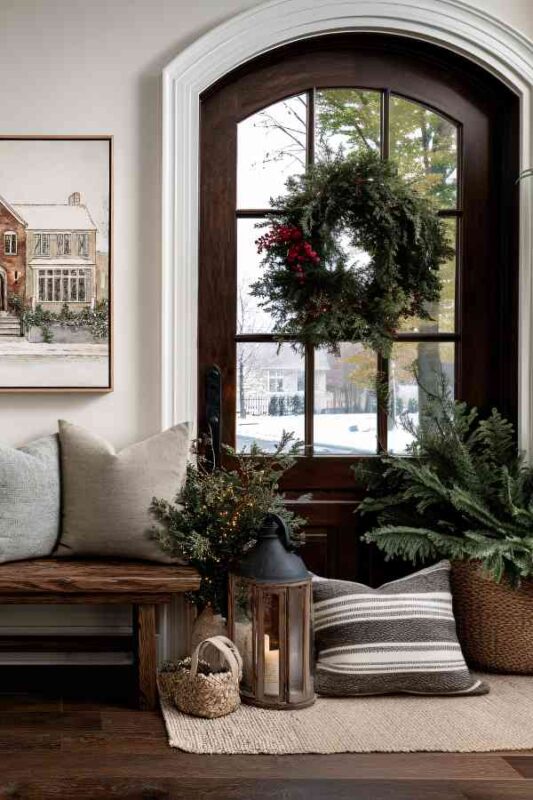
You don’t have to choose between honoring tradition and adapting to modern life.
Many people find comfort in transition:
- Removing bold ornaments but keeping soft lights
- Taking the tree down while leaving candles and greenery
- Replacing Christmas décor with winter textures
This approach softens the emotional shift and allows your home to evolve naturally rather than abruptly.
So… When should you take it down?

The most honest answer is also the simplest: When your home is ready to change — and so are you.
Tradition offers wisdom. Modern life demands flexibility. Somewhere between the two is a moment that feels right, even if you can’t explain it.
Taking down the Christmas tree isn’t about ending joy. It’s about closing a chapter gently, with gratitude, instead of rushing toward the next one.
Whenever you choose to do it — early, late, or somewhere in between — you’re not breaking a rule. You’re listening to your home, your season, and yourself.
And that’s always the right timing.
Pin for later!
Pick a section and read more:


About me:

I have lived in Chania, Crete, since 2016. As a local, I have an intimate knowledge of the island. I host culinary and concierge tours and experiences in Crete and write about the island for several travel media. I have helped many travelers plan the perfect holiday in Crete. I co-authored DK Eyewitness Top 10 Crete and had more glasses of frappe than any regular person could ever handle.


